Centipedes and earwigs in the cellar are a moisture story
If centipedes and earwigs keep turning up downstairs, the cellar is telling you it stays too wet.
October 20, 2026 · 3 min read
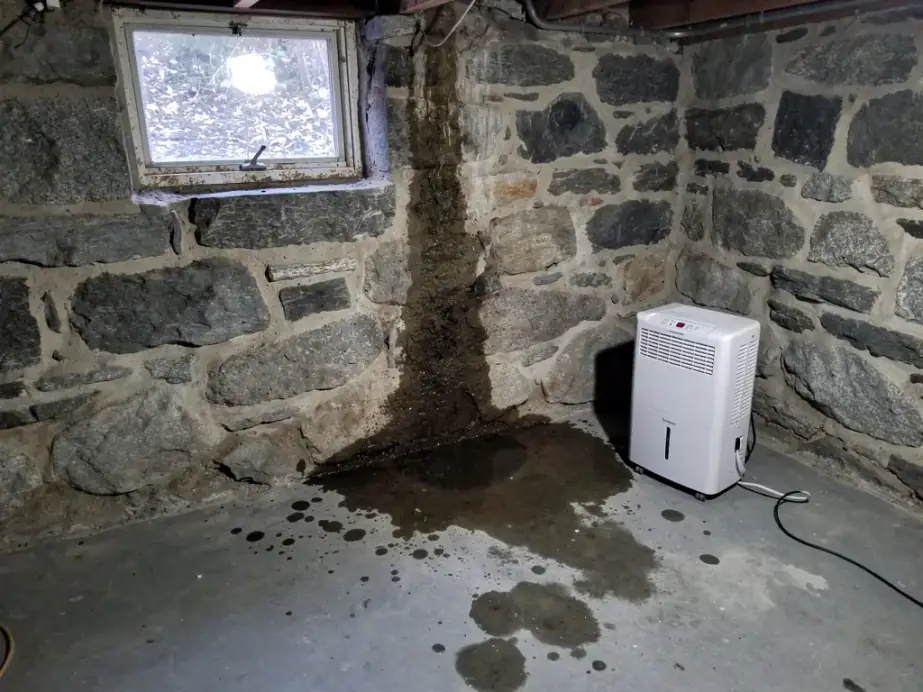
You reach for a box on a low shelf in the cellar and something with far too many legs sprints across the floor. Or you flip a damp towel off a pile and a handful of small, dark insects with pincers scatter. Both are common in older New England houses, and both point at the same underlying cause.
Two different pests, one shared habit
House centipedes are long, gray-brown, and quick, with legs that look like a fringe. They hunt other small bugs at night and hide in dark, damp places during the day. Earwigs are shiny brown, about the length of a fingernail, with pincers at the rear. They feed on decaying plant material and other insects, and they spend the day packed into tight, moist crevices.
What they share is a need for humidity. Both dry out quickly in open air. A cellar that stays damp gives them somewhere to live and a reason to stay. And because centipedes eat other bugs, a centipede sighting usually means there is a food supply of smaller insects nearby, which is another sign the space is hospitable.
Why a Rhode Island cellar holds moisture
Fieldstone and old poured concrete walls wick water from the soil outside. The walls are rarely sealed on the inside, the floors are often bare concrete or even packed earth, and in summer warm humid air meets cool stone and condenses. Many houses also have a bulkhead door that lets in rain and wet leaves every autumn. None of that is a defect so much as the nature of an older house, but it is the kind of climate these two pests prefer.
Where the water usually comes from
- Downspouts that empty right at the foundation instead of several feet away
- Soil that slopes toward the house instead of away from it
- Gutters clogged with leaves, so water pours over the edge along the wall
- Window wells filled with leaves and debris that hold water against the glass
- Mulch piled against the siding or foundation, which stays wet and shelters insects
- A dripping pipe, a leaking water heater fitting, or a dryer venting into the cellar
- Stored cardboard boxes and wood on a damp floor
Check these in order, starting outside during or right after a good rain. Water pooling near the foundation or running along the wall tells you more than any cellar inspection can.
Measure it instead of guessing
A small humidity meter from the hardware store takes the guesswork out. A common goal is to keep a cellar well under 60 percent humidity through summer. Put the meter near the wall where you see the bugs and look at it at different times of day for a week or two. A dehumidifier with a drain hose, run steadily from late spring through early fall, often makes the biggest single difference.
What to change first
- Extend downspouts so they discharge well away from the house
- Clean the gutters in late fall and again in early spring
- Pull mulch back from the foundation and siding by several inches
- Clear leaves from window wells and from the bottom of the bulkhead stairs
- Move stored items onto shelves or plastic bins, off the floor
- Seal the gaps around the cellar windows and where lines enter the wall
Most of these are ordinary maintenance you can do yourself in an afternoon, and it makes the cellar less interesting to every insect that likes damp conditions, not only these two.
Why spraying a baseboard is not the answer
Treating the bugs you can see without drying the space is like mopping with the faucet running. New ones arrive within weeks. The visible insects are a symptom, and the moisture is the cause. Dealing with both together is what lasts, and that is part of what a good inspection is for: spotting how the bugs get in and why they stay.
Centipedes and earwigs are both on the list of pests Integrity Pest Control takes care of around Johnston. If you have made the easy fixes and still see them, or if you are not sure where the water is coming from, call (401) 467-3344. The family can look over the cellar with you, and you will leave with a clearer idea of what to fix first.
Integrity Pest Control, (401) 467-3344
Call (401) 467-3344More articles
Mud tubes on the cellar wall: reading termite signs in a Rhode Island house
A pencil-wide line of dried soil on the foundation is easy to miss and worth a second look.
Why mice come in every October, and the gaps they use
The first hard cold snap sends field mice looking for a warm cellar, and they are good at finding the way in.